A useful budget for a week in Chengdu begins with the room you would actually book. Divide the final price by the right number of people, add the meals and journeys you expect to make, then leave room for the parts of the week that are not yet decided.
Use this as a budgeting worksheet with prices for your own dates. The room, meals and excursions you choose matter more than a single daily figure presented as if it fits every visitor.
Count nights and people first
A seven-day visit may involve six or seven paid nights depending on arrival and departure. Write the dates down before calculating. If two people share a room, divide that cost between them; do not divide an individual ticket or meal in the same way.
Record the final accommodation amount, including the charges shown at payment. Note breakfast and cancellation terms. A cheaper non-refundable room and a flexible room are different offers, even when the photographs look identical.
Separate ordinary days from excursion days
For an ordinary city day, budget breakfast, lunch, dinner, local transport and a small amount for drinks or snacks. For a day trip, add its specific transport and admission instead of spreading an unknown cost invisibly across every day.
Leave time for inexpensive or unpriced public-space visits without assuming that every associated service is free. A park walk and a paid tea session are separate choices. Ask for the menu and any minimum spend before settling into a seat.
A tea stop around Heming (鹤鸣茶社) in People’s Park (人民公园) is one concrete city-day possibility. Read the current menu before sitting down and keep the tea charge separate from the cost of any other activity. The photograph illustrates the setting; it does not provide a current price.
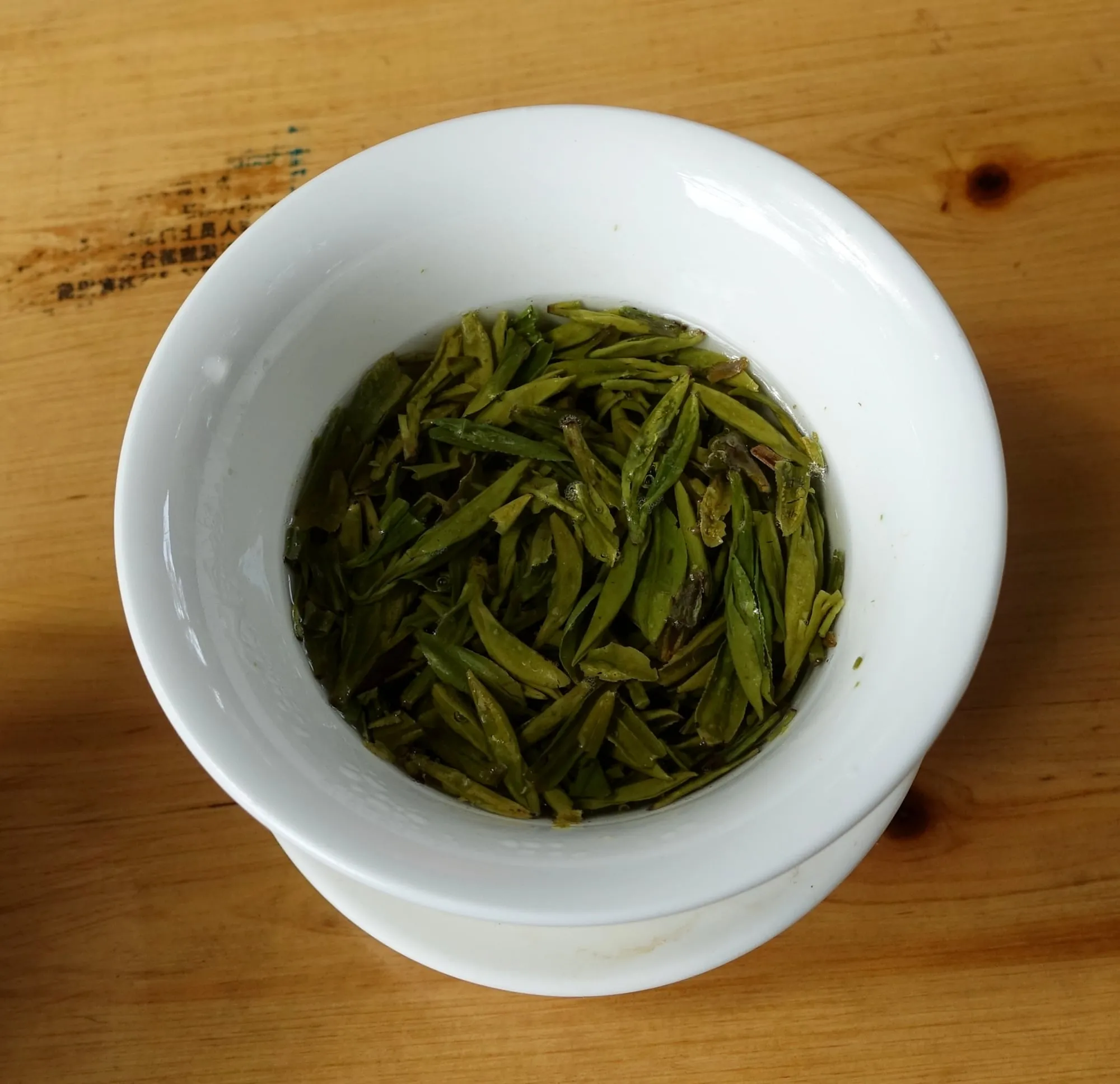
Tea in Chengdu’s People’s Park. Daderot · Wikimedia Commons · CC0. Resized and compressed.
Use a worksheet you can update
| Item | What to enter | How to count it |
|---|---|---|
| Accommodation | Final quote for your dates | Per room, then divide if shared |
| Meals and tea | Your selected daily allowance | Per person, multiplied by days |
| City transport | Planned transfers plus a margin | Per journey or pass conditions |
| Admissions and excursions | Current official quotes | Per person, on the days used |
| Arrival and departure | Airport or station transfers | Once at each end |
| Contingency | An amount you choose to keep spare | Do not treat it as already spent |
Keep currency conversion separate from the local-currency total. Check the rate and any payment fees when making the actual transaction rather than preserving an old exchange-rate estimate in the plan.
Decide what is worth more to you
If food is central to the trip, leave more room for meals and choose fewer paid excursions. If a comfortable central room makes the week easier, compare its extra cost with the transfers it may save. A budget is a way to make those preferences visible, not a competition to produce the lowest number.
Review the first two days’ spending and adjust the rest. The useful figure is the one that reflects your actual choices and still leaves you comfortable at the end of the week.
Keep the quotes dated
Save the date, room type and cancellation conditions beside each accommodation quote. For transport and admissions, use the relevant operator’s current booking information. Update the total when your dates or plans change; the worksheet is a method, not a quoted travel package.
Cultural context: People’s Daily reporting on Heming teahouse, checked 1 November 2026. Its historical prices are not used in this worksheet.
Image credits
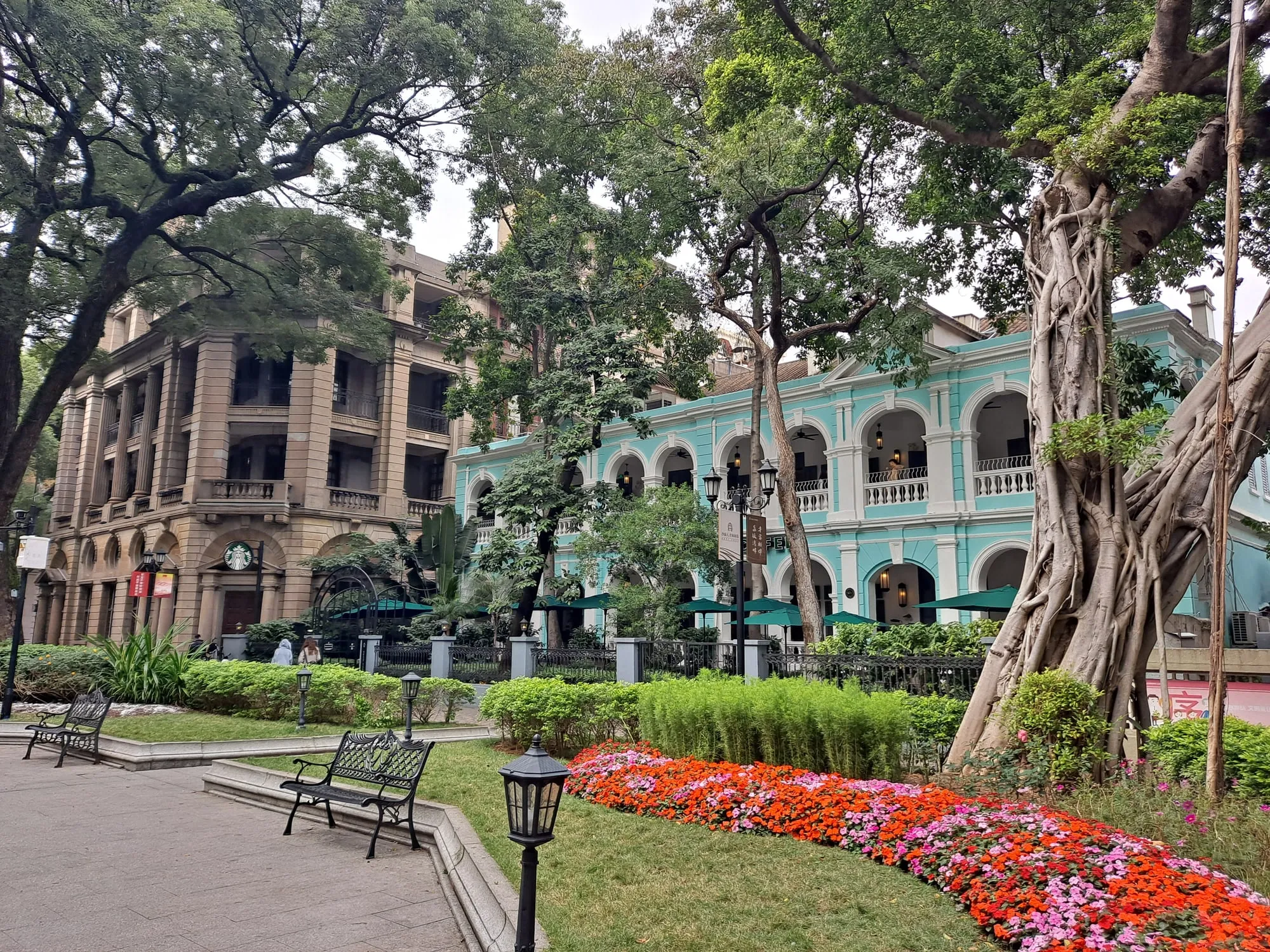
- Cover: Yumeto · Wikimedia Commons · CC BY-SA 4.0. Resized and compressed.
CC BY-SA image adaptations retain the linked licence.