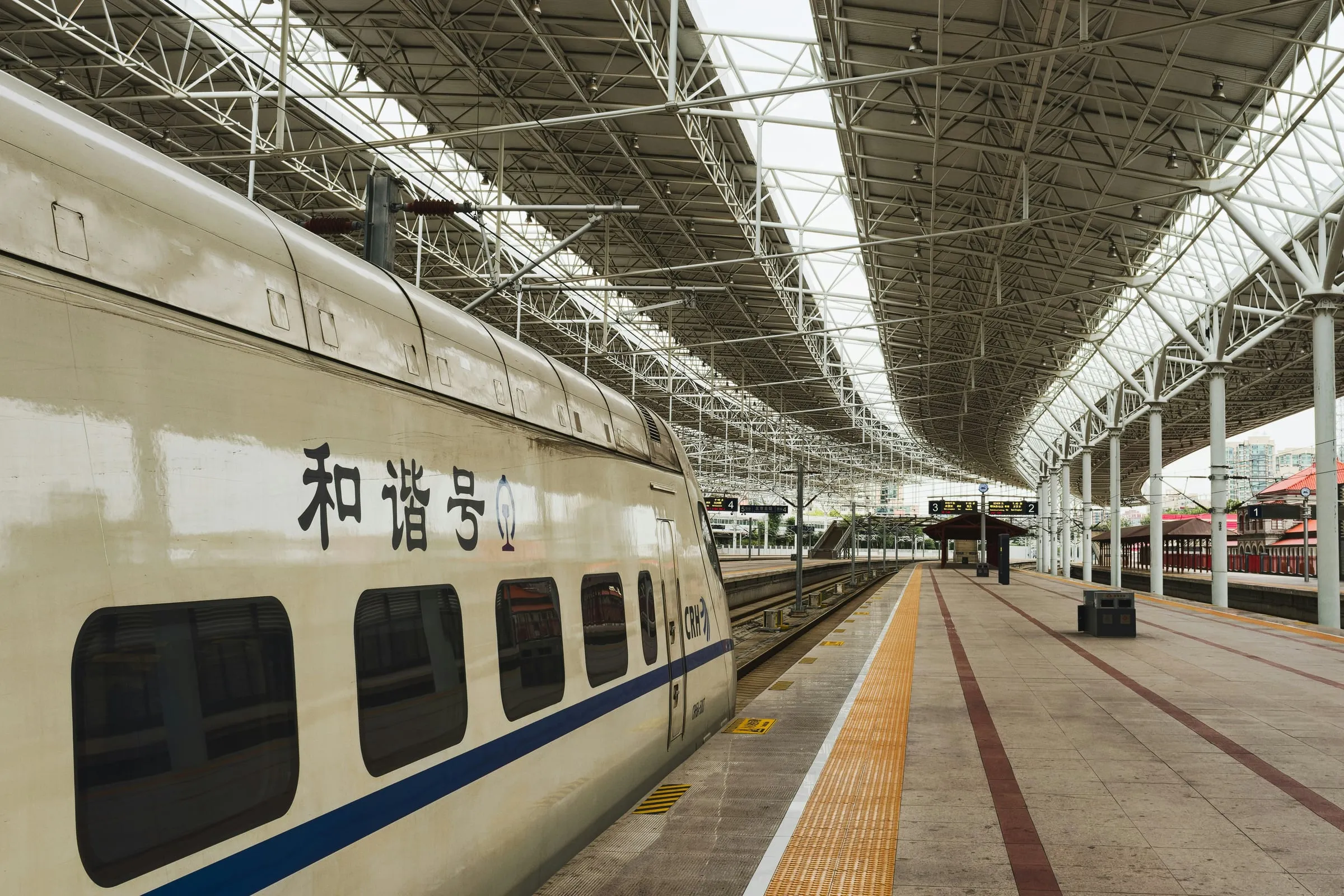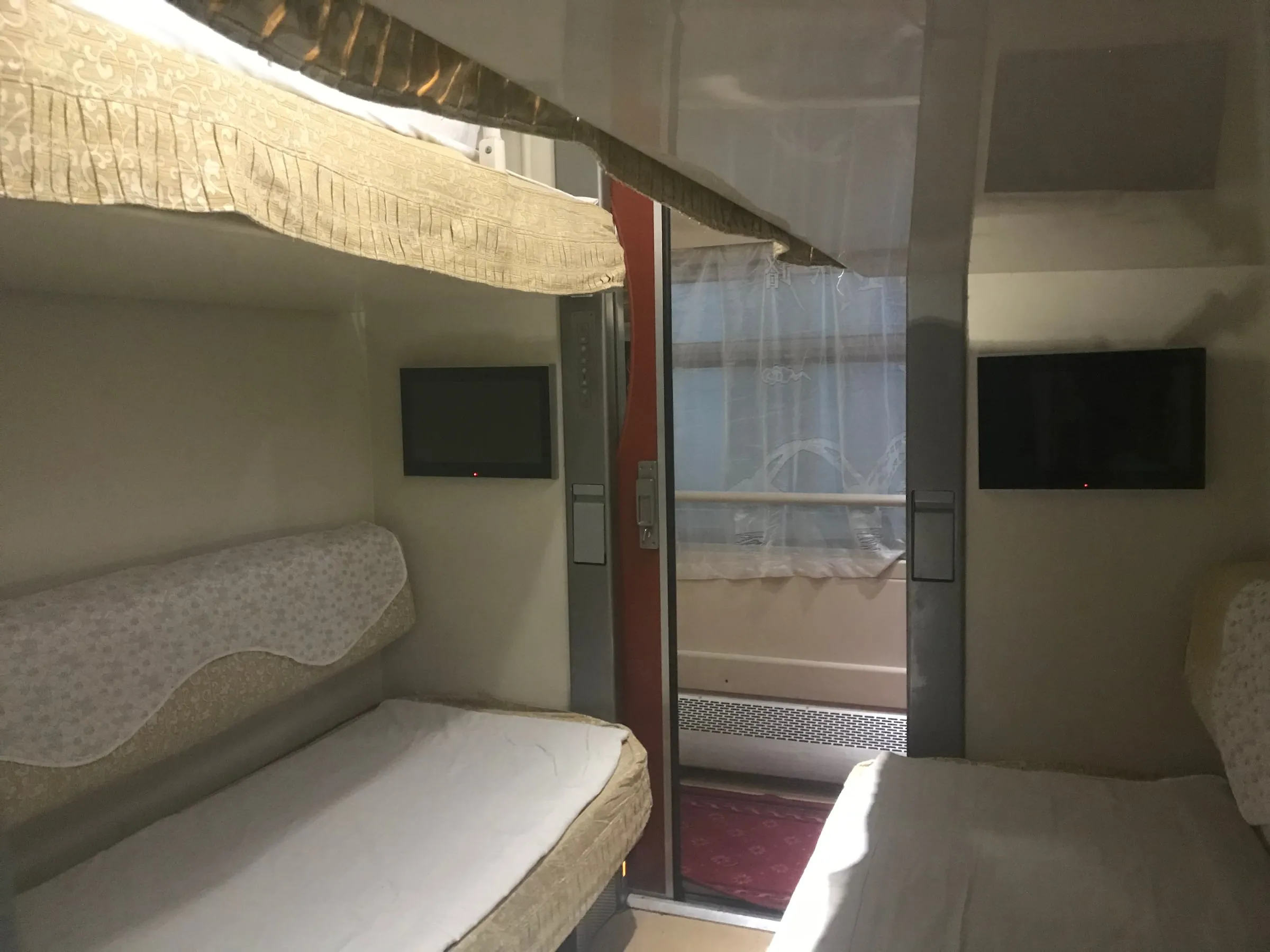
A sleeper train is a decision about the following morning as much as the night itself. A berth is useful only if you can rest in it, arrive at a workable hour and continue to your accommodation without turning the first day in Xi’an into recovery time.
For a Beijing–Xi’an journey, start with the services actually offered on your travel date. This guide explains how to judge a sleeper option against a daytime train. It does not promise that a particular departure, berth type or fare will be available.
Read the whole booking
Search the complete city pair in China Railway’s 12306 service, then read the exact station names. Beijing and Beijing West are not interchangeable instructions to a taxi driver; neither are Xi’an and Xi’an North. Save the station name in Chinese as well as the train number.
Compare departure, arrival and the date on which you reach the destination. A service that crosses midnight can make a hotel booking ambiguous. Write the arrival date separately, then decide whether you need luggage storage, an early check-in request or a room booked from the previous night. Do not assume morning arrival guarantees immediate access to a hotel room.
Read the offered accommodation category rather than relying on a generic train photograph. Carriage layouts differ. Confirm what is included, whether your party is together and whether the assigned berth suits anyone who has difficulty climbing. A preference request is not the same as an allocated lower berth.
| Compare | Sleeper | Daytime train |
|---|---|---|
| Sleep | A berth in shared moving accommodation | A night in your chosen hotel |
| Arrival | Check the date, station and room access | Check the onward transfer and check-in |
| Total cost | Fare, transfers and any early room access | Fare, transfers and accommodation |
Pack for the part you will actually use
Keep a small overnight pouch accessible: toothbrush, any personal necessities, a light layer and what you need for the morning. Put your passport and valuables where you can keep track of them without unpacking the main bag in a shared space.
Bring headphones and keep calls short. If you are travelling with others, arrange the bags before people settle down. The most useful courtesy is often simply reducing how many times you need to open a suitcase or turn on a bright screen.
Think honestly about sleep. If noise, movement or shared space will leave you exhausted, the notional saving of a hotel night may be poor value. Compare the total cost with a daytime train plus a room, including transfers and any arrival-day accommodation arrangement.
Compare the day train fairly
A daytime train uses hours you might otherwise spend sightseeing, but can give you a predictable night in a bed of your choosing. A sleeper moves some travel into the night, but can leave awkward gaps before departure and after arrival. Neither is automatically the more thoughtful way to travel.
For each option, write down five points: departure station, when you leave your accommodation, arrival station, when you can reach the next room, and the total price under the fare’s actual conditions. The comparison becomes much clearer than a contest between headline journey times.
Before paying
Use the passenger details on the travel document you will carry. The English 12306 FAQ accepts valid foreign passports and explains ticket changes and refunds. Check the conditions displayed for your purchase; an itinerary sheet is not a substitute for the identification required to travel.
If the sleeper you need is not offered or suitable berths are unavailable, take the daytime alternative. A route should serve the trip, not force it into an uncomfortable shape.
Planning sources
China Railway 12306 English FAQ, checked 1 November 2026. Timetables, fares and berth availability must be checked for the intended date; no live service or price is quoted here.
Image credits
- Cover: MNXANL · Wikimedia Commons · CC BY-SA 4.0. Resized and compressed.
CC BY-SA image adaptations retain the linked licence.