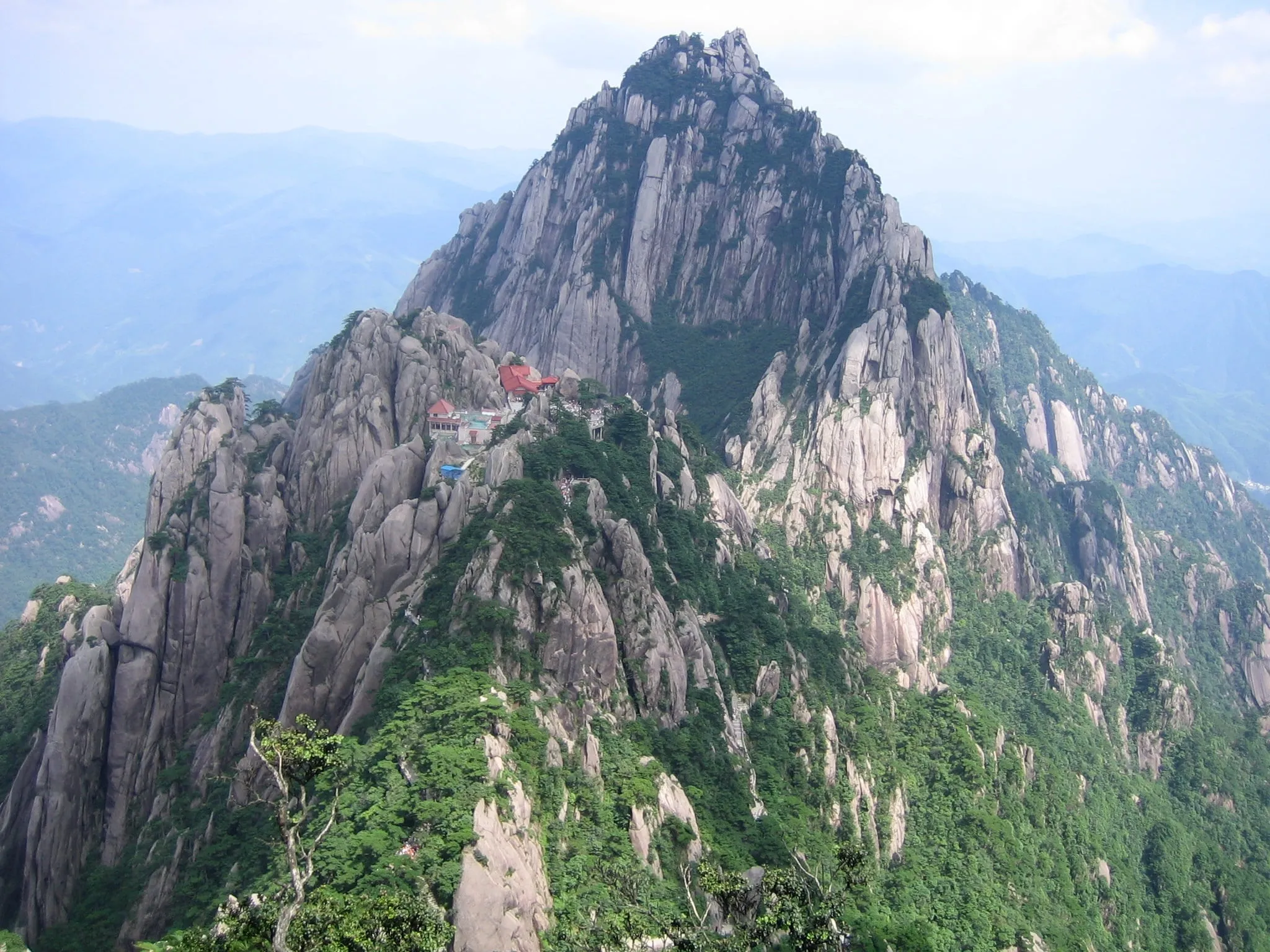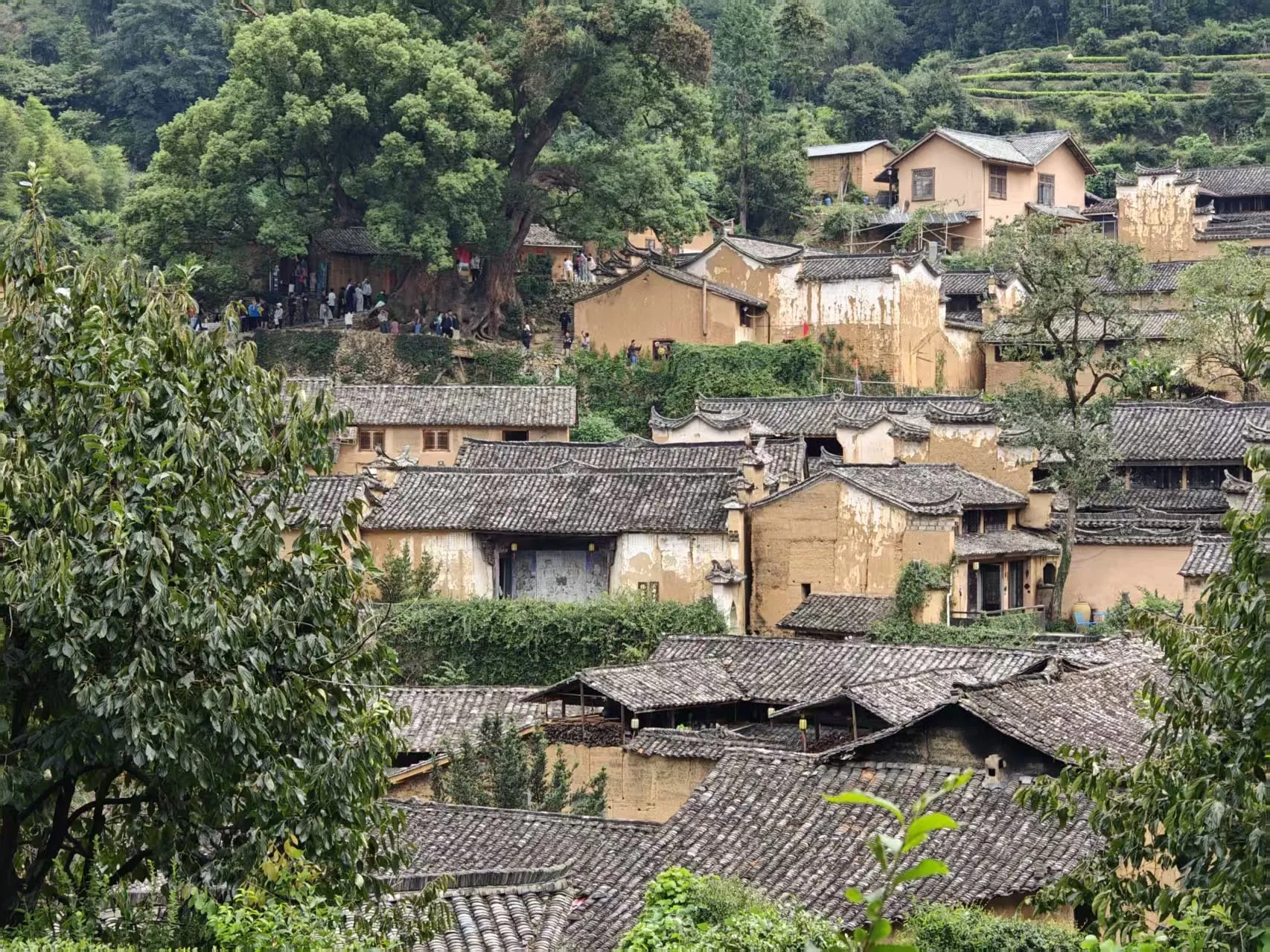
The first photograph of a village stay usually shows the view. The first useful question is how you reach the room. In Songyang (松阳), a hillside setting can make those two things closely related: tiled roofs, changes in level and the final walk from a road are part of the same landscape.
Choose a stay that gives you time in one village rather than treating the room as a base for collecting as many villages as possible. Yangjiatang (杨家堂) is one example of the hillside settlements described in Zhejiang’s official visitor information. It is a setting to investigate, not a guarantee that every advertised room has the same view or access.
Ask about the last part of arrival
Get the exact property name and entrance in Chinese. Ask where a car stops, whether a transfer is included and what the final luggage route involves. A short distance with stairs can matter more than a longer level walk.
If you will arrive after dark, agree a meeting point and contact method in advance. Do not rely on a broad village map pin or assume mobile reception at every turn. Confirm the return arrangement too, particularly if you are not bringing a car.
Make the room practical
Ask about the bathroom, heating or cooling, meal availability and the times at which staff can help. If a room is described as restored, find out what that means for windows, insulation and sound rather than assuming that age determines comfort.
Check which spaces are shared and which are private. A terrace in the listing may belong to a café or a room category you have not booked. Request current photographs of the actual room and confirm passport check-in before paying.
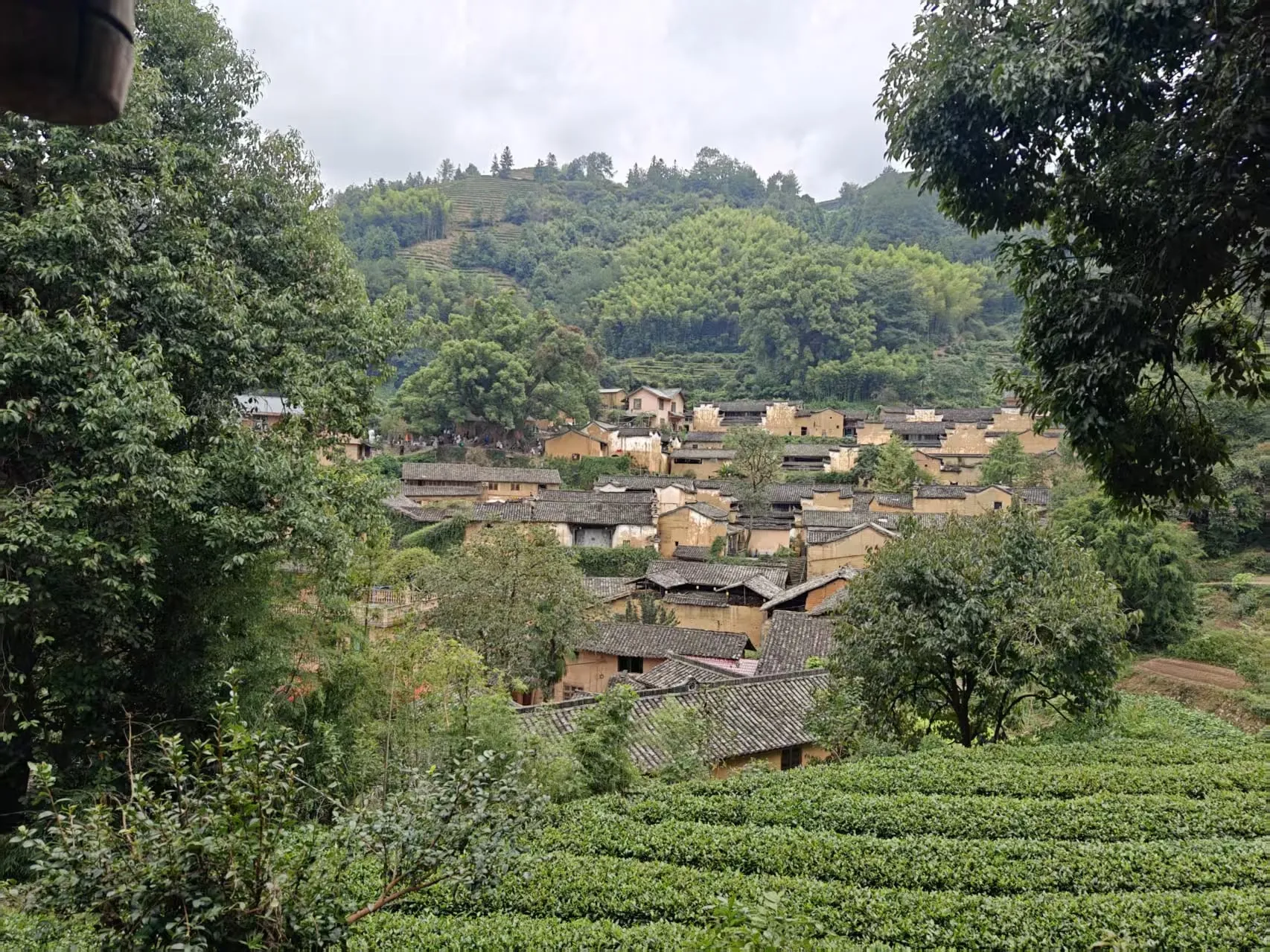
Yangjiatang’s hillside setting, October 2024. 纳瓦拉的亨利 · Wikimedia Commons · CC BY-SA 4.0. Resized and compressed.
Spend an afternoon close by
After arrival, take a short walk on open public paths. Notice how buildings follow the slope and how people move between entrances. Keep out of fields, private courtyards and working areas unless invited. A village is not a hotel’s outdoor lounge.
Choose a place to pause without blocking a doorway or narrow passage. If you want to photograph someone working, ask first and accept that the answer may be no. Returning to the room before you are tired can leave the next morning more enjoyable.
Stay for the pace, not a promise of isolation
A village may have visitors, construction, dogs, deliveries and early household activity. Ask about noise if it matters, but do not expect an inhabited place to become silent for your booking.
One or two nights can be enough to learn whether this pace suits you. Extend only if the room and daily arrangements work. The strongest reason to stay is that you want time there, not that the road looks remote in a photograph.
Planning source
Zhejiang’s introduction to Yangjiatang, Songyang, checked 1 November 2026 for the village setting. No specific property, transfer or meal service is represented as verified here.
Image credits
- Cover: 纳瓦拉的亨利 · Wikimedia Commons · CC BY-SA 4.0. Resized and compressed.
CC BY-SA image adaptations retain the linked licence.