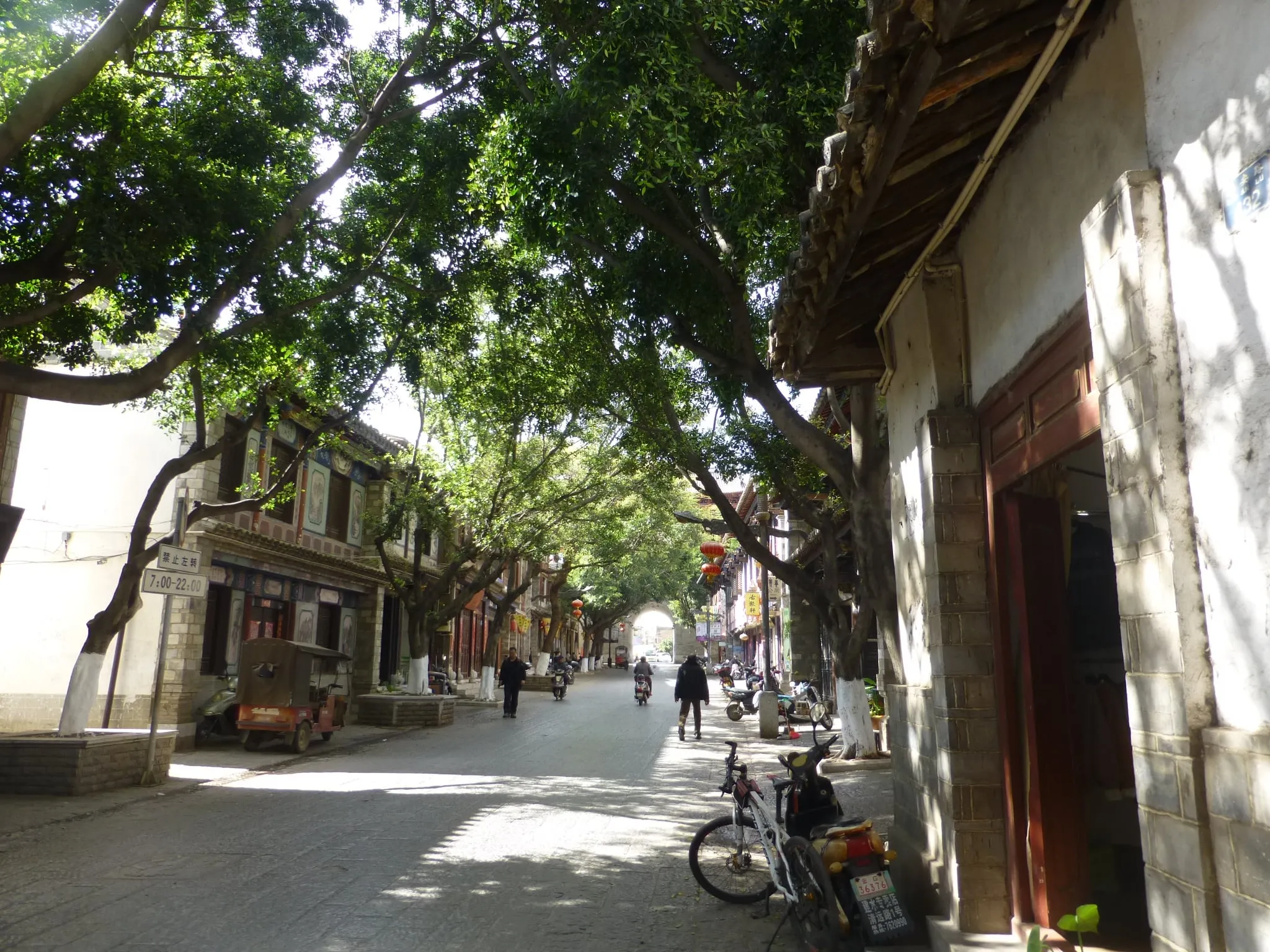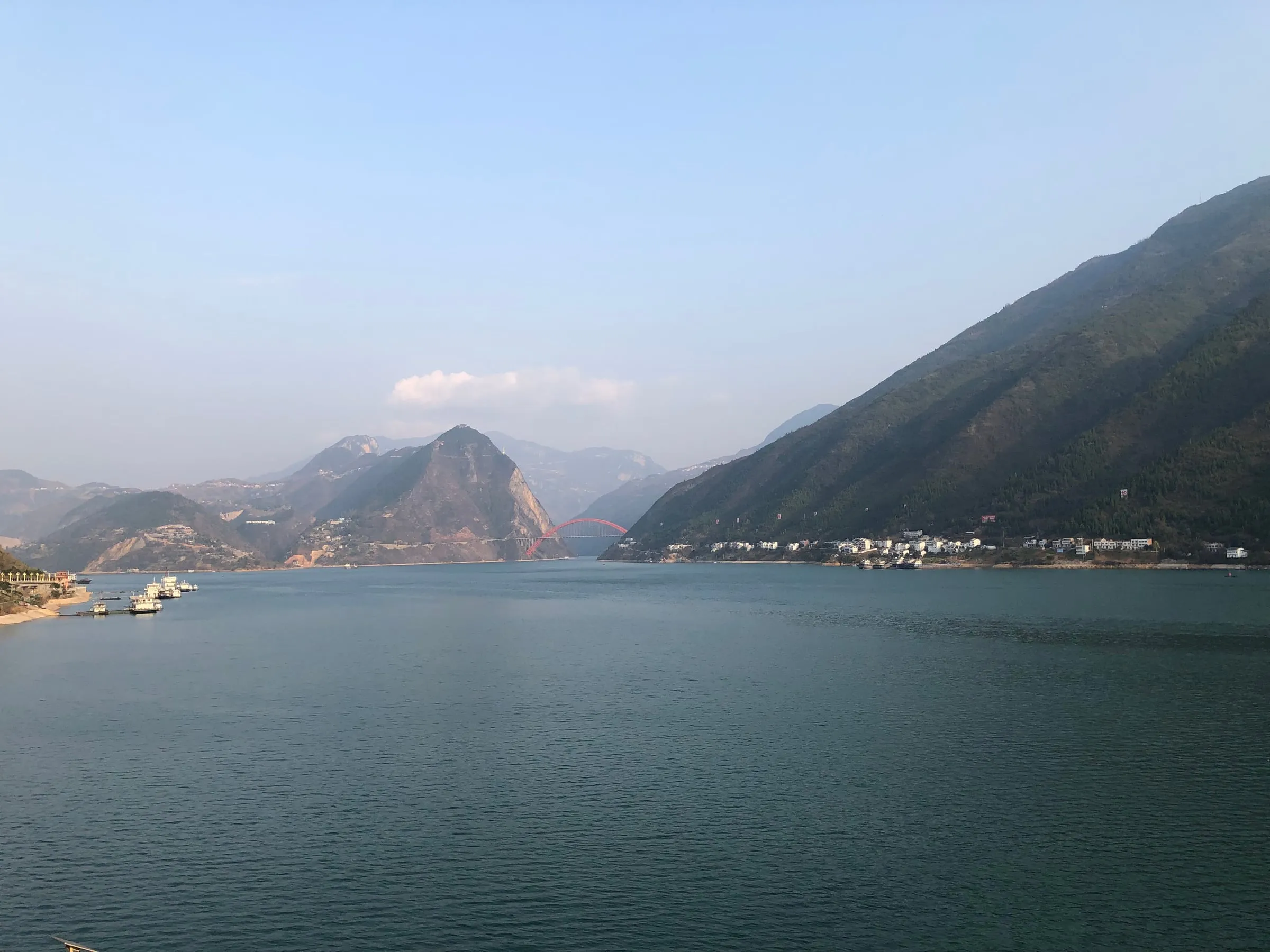
A journey through the Three Gorges is partly a journey in a room. The cabin, the view from the deck and the rhythm of meals and shore visits shape the experience as much as the scenery outside. Choose the boat by the days you will actually spend aboard, not only by the photograph of a gorge used to sell it.
Cruises and other river services are different products. This guide is about assessing a bookable sightseeing journey; it does not assume that a public ferry can reproduce a cruise itinerary or that every vessel calls at the same places.
Read the route from both ends
Confirm the actual embarkation and disembarkation points, including any road transfer included in the booking. A city name can conceal a substantial journey to a particular pier. Get the meeting instructions in Chinese and leave a margin around onward trains or flights.
Read the direction of travel and the day-by-day schedule together. Do not compare two prices as equivalent if the trips have different lengths, transfer arrangements or included visits. Ask which parts may change because of river or operating conditions.
A concrete comparison
Victoria Cruise Lines publishes a four-day, three-night Chongqing–Yichang itinerary and a five-day, four-night journey in the opposite direction. Its upstream instructions include a road transfer from Yichang to Maoping for boarding. These are useful examples of why the city names alone do not describe the whole journey.
The published products include onboard meals as specified, while shore excursions cost extra; the evening departure does not include dinner on the first night. The company also cautions that Xiling Gorge may not be passed in daylight. Confirm the selected departure’s written terms rather than assuming that every advertised landscape is seen at the same hour.
Choose the cabin you will use
Look at the cabin category, bed arrangement, bathroom and position on the vessel. Check whether the photograph shows that category and whether the view is obstructed. Ask about lifts and steps if moving between cabin, dining room and deck could be difficult.
Clarify meals, drinks, excursions and any compulsory or optional charges. A low headline price becomes less useful when the activities you actually want are extra. Keep the operator’s written inclusions with the booking.
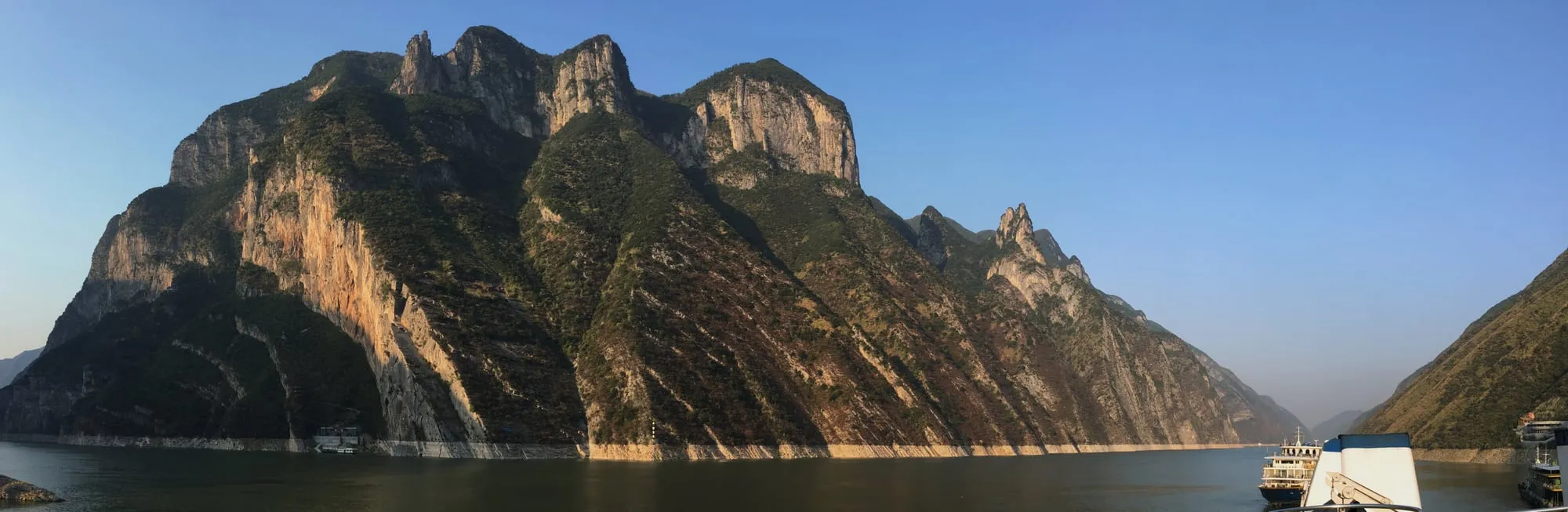
Wu Gorge, photographed in 2016. Fredlyfish4 · Wikimedia Commons · CC BY-SA 4.0. Resized and compressed.
Leave time to watch the river
A boat trip can become surprisingly busy if every available excursion fills the day. Choose shore visits deliberately and preserve some unscheduled deck time. The changing relationship between water, slopes and settlement is a subject in itself.
Follow the vessel’s rules about deck access and stay within barriers. In poor weather, a cabin window or sheltered lounge may be the better place to look. Do not assume that a photograph taken on an open deck establishes access in all conditions.
Keep expectations current
Older pictures of the Yangtze can show landscapes before major changes to the river. Check image dates and avoid treating an archival view as a promise of the present journey. The same care applies to photographs of vessels that may no longer operate the advertised route.
Before paying, ask the operator to confirm the vessel, dates, cabin and transfer plan. If those details remain unclear, compare another product. The strongest reason to travel by boat is the time it gives you with the river; the booking should make that time straightforward.
Planning sources
Victoria’s Chongqing–Yichang itinerary · Yichang–Chongqing itinerary, checked 1 November 2026 for the published product structure. Prices and live cabin availability are not quoted; schedules and excursions remain subject to the selected booking and river conditions.
Image credits
- Cover: Fxqf · Wikimedia Commons · CC BY-SA 4.0. Resized and compressed.
CC BY-SA image adaptations retain the linked licence.