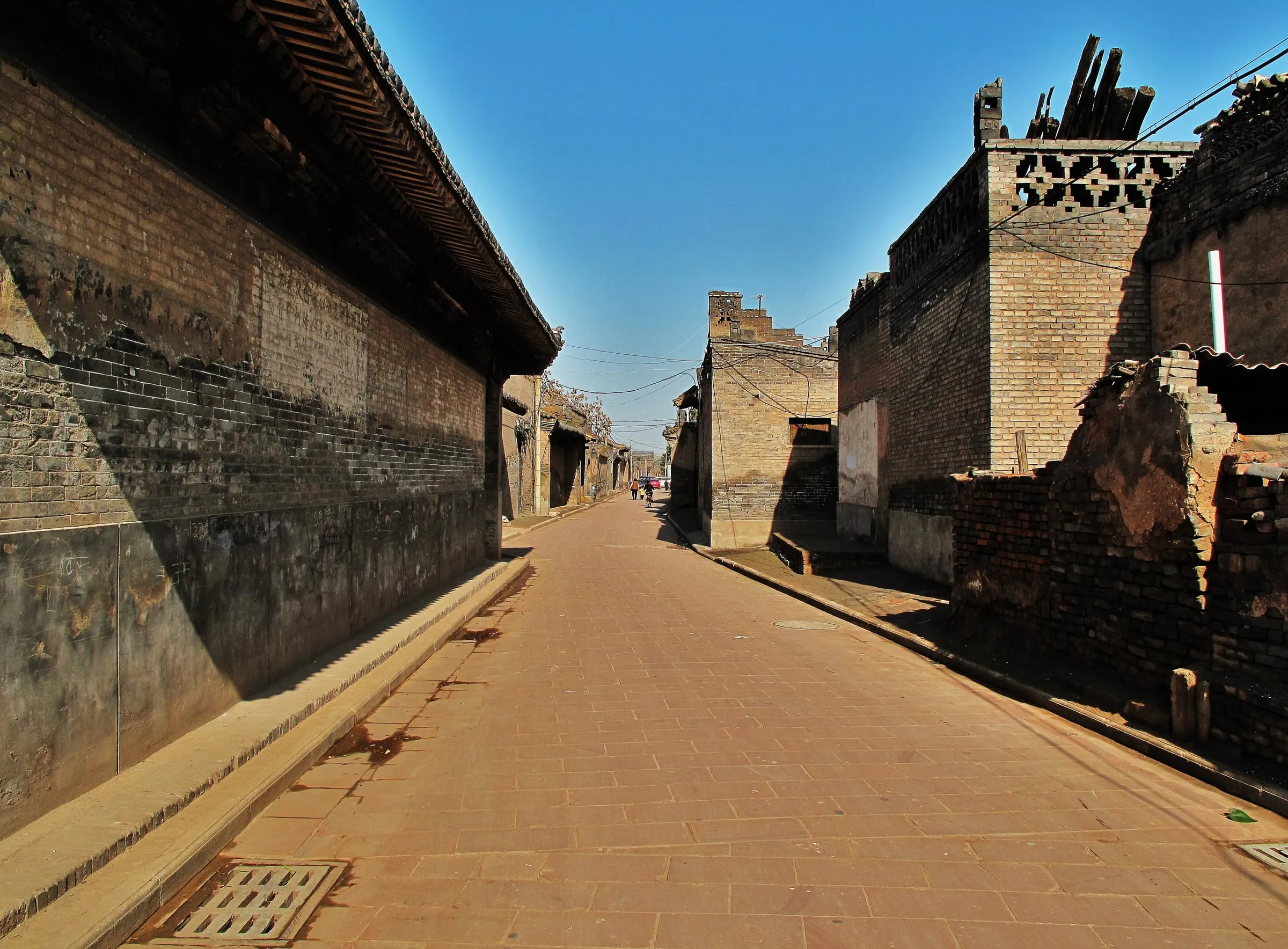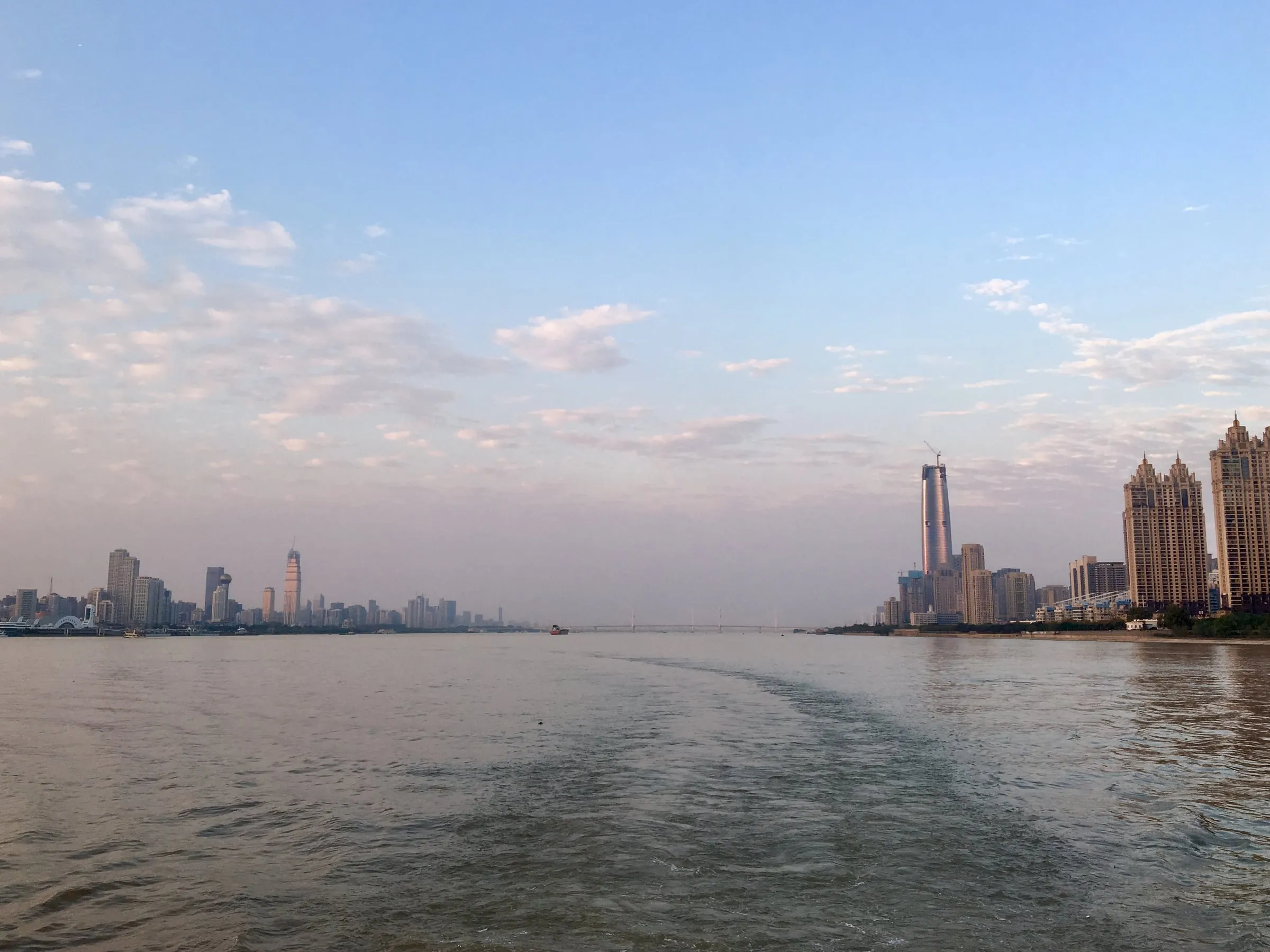
A river crossing can give a city day a natural shape: one bank before it, another afterwards. In Wuhan, use that change of viewpoint to keep the itinerary selective. You do not need to visit every district to understand that the river is more than scenery between destinations.
Choose a short walk on the Hankou side, a confirmed crossing and one area on the Wuchang side. This is a framework for a day, not a promise that a particular ferry departure or riverside route will operate on your date.
Give the first bank a modest boundary
Begin around Jianghan Road (江汉路), the historic commercial street near Hankou Customs House, and choose an open public section of the riverfront. Look at how the city meets the water: the space between buildings and the embankment, the approach to a landing and the places where pedestrians can actually cross a road.
Keep the walk short enough that you can stop for food or a drink before crossing. A broad waterfront map can conceal long distances. Choose a return or onward point deliberately rather than continuing until you are tired.
Treat the crossing as transport
Wuhan’s official transport introduction describes a Wuhanguan–Zhonghua Road ferry connection. That older page establishes the route’s context, not today’s timetable. Confirm current operation, pier access, fare and the final departure before relying on it.
At the pier, check the destination shown for the actual service. Follow staff instructions and stay within passenger areas. A sightseeing vessel and a public ferry may use different products or boarding arrangements even when both appear in a river search.
If the crossing is unavailable or the weather is unsuitable, use a current public-transport alternative. The day should not depend on waiting indefinitely for a boat because the itinerary looked elegant on paper.
| Part of the day | Keep fixed | Leave flexible |
|---|---|---|
| First bank | A practical starting point | The length of the public riverfront walk |
| Crossing | A currently operating service and correct pier | Ferry or another suitable public-transport option |
| Second bank | A reliable route back to your accommodation | One walk, meal or cultural stop |
Make the second bank different
On the Wuchang side, give the afternoon one anchor: Tanhualin (昙华林), an area of historic buildings and lanes, is an option for looking at the city at a smaller scale. Check the route from your actual arrival pier and use a local connection if the walk is more than you want. Do not turn the crossing into the beginning of another full city itinerary.
Look back across the river before moving inland. A skyline seen from the opposite direction can explain relationships that were difficult to read while standing among the buildings. Then give attention to something closer. For a food-led stop, look for re gan mian (热干面, hot dry noodles) or sanxian doupi (三鲜豆皮, a glutinous-rice snack). These are choices of dish, not recommendations for an untested shop; read the menu and ask about ingredients.
End near a reliable connection
Plan the return to your accommodation before the evening becomes late. Confirm the station or stop you need rather than relying on the outward route remaining available. Leave time for dinner without making it a race against the final connection.
The value of a two-bank day is the comparison. A few carefully chosen places, linked by a workable crossing, can tell you more than a long list distributed across the whole city.
Planning source
Wuhan’s official ferry and transport introduction, checked 1 November 2026 for route context only. Its timetable is not treated as current; verify the intended crossing locally before travel.
Further city context: Wuhan’s introduction to Tanhualin and official food and neighbourhood guide, checked 1 November 2026.
Image credits
- Cover: Zheng Zhou · Wikimedia Commons · CC BY-SA 4.0. Resized and compressed.
CC BY-SA image adaptations retain the linked licence.